








Lobsang Rampa is the pen name of an author who wrote books with paranormal and occult themes. His best known work is The Third Eye, published in Britain in 1956. Following the publication of the book, newspapers reported that Rampa was Cyril Henry Hoskin (8 April 1910 - 25 January 1981), a plumber from Plympton in Devon who claimed that his body hosted the spirit of a Tibetan lama going by the name of Tuesday Lobsang Rampa, who is purported to have authored the books. The name Tuesday relates to a claim in The Third Eye that Tibetans are named after the day of the week on which they were born. Donald S. Lopez, Jr., in Prisoners of Shangri-La (1998), points out that when discussing Rampa with other tibetologists and buddhologists in Europe, he found that The Third Eye was the first book many of them had read about Tibet: "For some it was a fascination with the world Rampa described that had led them to become professional scholars of Tibet." Lopez adds that when he gave The Third Eye to a class of his at the University of Michigan without telling them about its history, the "students were unanimous in their praise of the book, and despite six prior weeks of lectures and readings on Tibetan history and religion, [...] they found it entirely credible and compelling, judging it more realistic than anything they had previously read about Tibet." Lobsang Rampa was a supporter of the Tibetan cause despite criticism of his books. In 1972, Rampa's French language agent Alain Stanké wrote to the Dalai Lama and asked for his opinion about Rampa's identity. He received a reply from the Dalai Lama's deputy secretary stating "I wish to inform you that we do not place credence in the books written by the so-called Dr. T. Lobsang Rampa. His works are highly imaginative and fictional in nature." The Dalai Lama had previously admitted that although the books were fictitious, they had created good publicity for Tibet. Lobsang Rampa went on to write another 18 books containing a mixture of religious and occult material. One of the books, Living with the Lama, was described as being dictated to Rampa by his pet Siamese cat, Mrs. Fifi Greywhiskers. Faced with repeated accusations from the British press that he was a charlatan and a con artist, Rampa went to live in Canada in the 1960s. He and his wife, San Ra'ab, became Canadian citizens in 1973, along with Sheelagh Rouse (Buttercup) who was his secretary and regarded by Rampa as his adopted daughter. Lobsang Rampa died in Calg
The Rampa Story
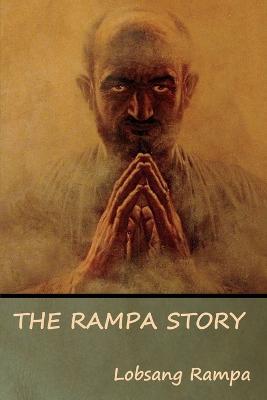
The Rampa Story
PRP: 127.13 Lei

Acesta este Prețul Recomandat de Producător. Prețul de vânzare al produsului este afișat mai jos.
114.42Lei
114.42Lei
127.13 LeiPrimești 114 puncte

Indisponibil
Descrierea produsului
Lobsang Rampa is the pen name of an author who wrote books with paranormal and occult themes. His best known work is The Third Eye, published in Britain in 1956. Following the publication of the book, newspapers reported that Rampa was Cyril Henry Hoskin (8 April 1910 - 25 January 1981), a plumber from Plympton in Devon who claimed that his body hosted the spirit of a Tibetan lama going by the name of Tuesday Lobsang Rampa, who is purported to have authored the books. The name Tuesday relates to a claim in The Third Eye that Tibetans are named after the day of the week on which they were born. Donald S. Lopez, Jr., in Prisoners of Shangri-La (1998), points out that when discussing Rampa with other tibetologists and buddhologists in Europe, he found that The Third Eye was the first book many of them had read about Tibet: "For some it was a fascination with the world Rampa described that had led them to become professional scholars of Tibet." Lopez adds that when he gave The Third Eye to a class of his at the University of Michigan without telling them about its history, the "students were unanimous in their praise of the book, and despite six prior weeks of lectures and readings on Tibetan history and religion, [...] they found it entirely credible and compelling, judging it more realistic than anything they had previously read about Tibet." Lobsang Rampa was a supporter of the Tibetan cause despite criticism of his books. In 1972, Rampa's French language agent Alain Stanké wrote to the Dalai Lama and asked for his opinion about Rampa's identity. He received a reply from the Dalai Lama's deputy secretary stating "I wish to inform you that we do not place credence in the books written by the so-called Dr. T. Lobsang Rampa. His works are highly imaginative and fictional in nature." The Dalai Lama had previously admitted that although the books were fictitious, they had created good publicity for Tibet. Lobsang Rampa went on to write another 18 books containing a mixture of religious and occult material. One of the books, Living with the Lama, was described as being dictated to Rampa by his pet Siamese cat, Mrs. Fifi Greywhiskers. Faced with repeated accusations from the British press that he was a charlatan and a con artist, Rampa went to live in Canada in the 1960s. He and his wife, San Ra'ab, became Canadian citizens in 1973, along with Sheelagh Rouse (Buttercup) who was his secretary and regarded by Rampa as his adopted daughter. Lobsang Rampa died in Calg
Detaliile produsului