








The Whiskey Rebellion: A Distilled History of an American Crisis
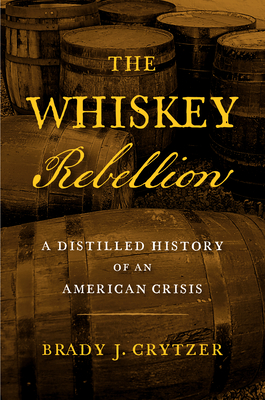
The Whiskey Rebellion: A Distilled History of an American Crisis
In March 1791 Treasury Secretary Alexander Hamilton shocked the western frontier when he proposed a domestic excise tax on whiskey to balance America's national debt. The law, known colloquially as the "Whiskey Act," disproportionately penalized farmers in the backcountry, while offering favorable tax incentives designed to protect larger distillers. Although Hamilton viewed the law as a means of both collecting revenue andforcefully imposing federal authority over the notoriously defiant frontier, settlers in Western Pennsylvania bristled at its passage. They demanded that the law be revoked or rewritten to correct its perceived the injustices, and begged their representatives to lobby Congress on their behalf.
As the months passed however the people of Western Pennsylvania grew restless with the inadequacy of the government's response and they soon turned to more violent means of political expression. Treasury officers across the west were targeted for their involvement in the tax collection, and they were brutally attacked by armed bands of disgruntled locals. They were tarred and feathered, burned with hot irons, and whipped; their homes were ransacked and burned. Extralegal courts were established in a direct challenge to federal authority, and the frontier slowly drifted toward a state of rebellion.
In response President George Washington raised an army of 13,000 men, one of the largest forces he ever commanded, to suppress the rebellion. No major battle ever occurred, but weeks of arrests, illegal detentions, and civil rights violations rocked the west. The event polarized the nation, and highlighted the dramatic differences between Washington's Federalist perspective and Jefferson's emerging Democratic-Republican Party. Two centuries later the Whiskey Rebellion stands as the second largest domestic rebellion in American History, only outdone by the Confederate States of America in 1861.
In The Whiskey Rebellion: A Distilled History of an American Crisis, historian Brady J. Crytzer takes the reader on a journey through Western Pennsylvania following the routes of both the rebels and the United States Army to place this important event into context for the reader. Complete with images and maps, the author illuminates what visitors can still see from the period while providing a cogent and engrossing account of this crisis unfolded and how it was resolved.
As the months passed however the people of Western Pennsylvania grew restless with the inadequacy of the government's response and they soon turned to more violent means of political expression. Treasury officers across the west were targeted for their involvement in the tax collection, and they were brutally attacked by armed bands of disgruntled locals. They were tarred and feathered, burned with hot irons, and whipped; their homes were ransacked and burned. Extralegal courts were established in a direct challenge to federal authority, and the frontier slowly drifted toward a state of rebellion.
In response President George Washington raised an army of 13,000 men, one of the largest forces he ever commanded, to suppress the rebellion. No major battle ever occurred, but weeks of arrests, illegal detentions, and civil rights violations rocked the west. The event polarized the nation, and highlighted the dramatic differences between Washington's Federalist perspective and Jefferson's emerging Democratic-Republican Party. Two centuries later the Whiskey Rebellion stands as the second largest domestic rebellion in American History, only outdone by the Confederate States of America in 1861.
In The Whiskey Rebellion: A Distilled History of an American Crisis, historian Brady J. Crytzer takes the reader on a journey through Western Pennsylvania following the routes of both the rebels and the United States Army to place this important event into context for the reader. Complete with images and maps, the author illuminates what visitors can still see from the period while providing a cogent and engrossing account of this crisis unfolded and how it was resolved.
PRP: 173.60 Lei

Acesta este Prețul Recomandat de Producător. Prețul de vânzare al produsului este afișat mai jos.
138.88Lei
138.88Lei
173.60 LeiPrimești 138 puncte

Livrare in 2-4 saptamani
Descrierea produsului
In March 1791 Treasury Secretary Alexander Hamilton shocked the western frontier when he proposed a domestic excise tax on whiskey to balance America's national debt. The law, known colloquially as the "Whiskey Act," disproportionately penalized farmers in the backcountry, while offering favorable tax incentives designed to protect larger distillers. Although Hamilton viewed the law as a means of both collecting revenue andforcefully imposing federal authority over the notoriously defiant frontier, settlers in Western Pennsylvania bristled at its passage. They demanded that the law be revoked or rewritten to correct its perceived the injustices, and begged their representatives to lobby Congress on their behalf.
As the months passed however the people of Western Pennsylvania grew restless with the inadequacy of the government's response and they soon turned to more violent means of political expression. Treasury officers across the west were targeted for their involvement in the tax collection, and they were brutally attacked by armed bands of disgruntled locals. They were tarred and feathered, burned with hot irons, and whipped; their homes were ransacked and burned. Extralegal courts were established in a direct challenge to federal authority, and the frontier slowly drifted toward a state of rebellion.
In response President George Washington raised an army of 13,000 men, one of the largest forces he ever commanded, to suppress the rebellion. No major battle ever occurred, but weeks of arrests, illegal detentions, and civil rights violations rocked the west. The event polarized the nation, and highlighted the dramatic differences between Washington's Federalist perspective and Jefferson's emerging Democratic-Republican Party. Two centuries later the Whiskey Rebellion stands as the second largest domestic rebellion in American History, only outdone by the Confederate States of America in 1861.
In The Whiskey Rebellion: A Distilled History of an American Crisis, historian Brady J. Crytzer takes the reader on a journey through Western Pennsylvania following the routes of both the rebels and the United States Army to place this important event into context for the reader. Complete with images and maps, the author illuminates what visitors can still see from the period while providing a cogent and engrossing account of this crisis unfolded and how it was resolved.
As the months passed however the people of Western Pennsylvania grew restless with the inadequacy of the government's response and they soon turned to more violent means of political expression. Treasury officers across the west were targeted for their involvement in the tax collection, and they were brutally attacked by armed bands of disgruntled locals. They were tarred and feathered, burned with hot irons, and whipped; their homes were ransacked and burned. Extralegal courts were established in a direct challenge to federal authority, and the frontier slowly drifted toward a state of rebellion.
In response President George Washington raised an army of 13,000 men, one of the largest forces he ever commanded, to suppress the rebellion. No major battle ever occurred, but weeks of arrests, illegal detentions, and civil rights violations rocked the west. The event polarized the nation, and highlighted the dramatic differences between Washington's Federalist perspective and Jefferson's emerging Democratic-Republican Party. Two centuries later the Whiskey Rebellion stands as the second largest domestic rebellion in American History, only outdone by the Confederate States of America in 1861.
In The Whiskey Rebellion: A Distilled History of an American Crisis, historian Brady J. Crytzer takes the reader on a journey through Western Pennsylvania following the routes of both the rebels and the United States Army to place this important event into context for the reader. Complete with images and maps, the author illuminates what visitors can still see from the period while providing a cogent and engrossing account of this crisis unfolded and how it was resolved.
Detaliile produsului




