- /
- Librarie online
- /
- Carti in engleza
- /
- Body, Mind & Spirit
- /
- Witchcraft
- /
- Witches' Ointment
Witches' Ointment
Witches' Ointment
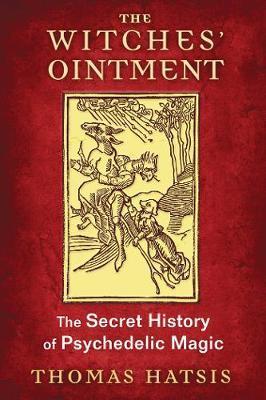
In the medieval period preparations with hallucinogenic herbs were part of the practice of veneficium, or poison magic. This collection of magical arts used poisons, herbs, and rituals to bewitch, heal, prophesy, infect, and murder. In the form of psyche-magical ointments, poison magic could trigger powerful hallucinations and surrealistic dreams that enabled direct experience of the Divine. Smeared on the skin, these entheogenic ointments were said to enable witches to commune with various local goddesses, bastardized by the Church as trips to the Sabbat--clandestine meetings with Satan to learn magic and participate in demonic orgies.
Examining trial records and the pharmacopoeia of witches, alchemists, folk healers, and heretics of the 15th century, Thomas Hatsis details how a range of ideas from folk drugs to ecclesiastical fears over medicine women merged to form the classical "witch" stereotype and what history has called the "witches' ointment." He shares dozens of psychoactive formulas and recipes gleaned from rare manuscripts from university collections from all over the world as well as the practices and magical incantations necessary for their preparation. He explores the connections between witches' ointments and spells for shape shifting, spirit travel, and bewitching magic. He examines the practices of some Renaissance magicians, who inhaled powerful drugs to communicate with spirits, and of Italian folk-witches, such as Matteuccia di Francisco, who used hallucinogenic drugs in her love potions and herbal preparations, and Finicella, who used drug ointments to imagine herself transformed into a cat.
Exploring the untold history of the witches' ointment and medieval hallucinogen use, Hatsis reveals how the Church transformed folk drug practices, specifically entheogenic ones, into satanic experiences.
Examining trial records and the pharmacopoeia of witches, alchemists, folk healers, and heretics of the 15th century, Thomas Hatsis details how a range of ideas from folk drugs to ecclesiastical fears over medicine women merged to form the classical "witch" stereotype and what history has called the "witches' ointment." He shares dozens of psychoactive formulas and recipes gleaned from rare manuscripts from university collections from all over the world as well as the practices and magical incantations necessary for their preparation. He explores the connections between witches' ointments and spells for shape shifting, spirit travel, and bewitching magic. He examines the practices of some Renaissance magicians, who inhaled powerful drugs to communicate with spirits, and of Italian folk-witches, such as Matteuccia di Francisco, who used hallucinogenic drugs in her love potions and herbal preparations, and Finicella, who used drug ointments to imagine herself transformed into a cat.
Exploring the untold history of the witches' ointment and medieval hallucinogen use, Hatsis reveals how the Church transformed folk drug practices, specifically entheogenic ones, into satanic experiences.
PRP: 116.92 Lei

Acesta este Prețul Recomandat de Producător. Prețul de vânzare al produsului este afișat mai jos.
93.54Lei
93.54Lei
116.92 LeiPrimești 93 puncte

Livrare in 2-4 saptamani
Descrierea produsului
In the medieval period preparations with hallucinogenic herbs were part of the practice of veneficium, or poison magic. This collection of magical arts used poisons, herbs, and rituals to bewitch, heal, prophesy, infect, and murder. In the form of psyche-magical ointments, poison magic could trigger powerful hallucinations and surrealistic dreams that enabled direct experience of the Divine. Smeared on the skin, these entheogenic ointments were said to enable witches to commune with various local goddesses, bastardized by the Church as trips to the Sabbat--clandestine meetings with Satan to learn magic and participate in demonic orgies.
Examining trial records and the pharmacopoeia of witches, alchemists, folk healers, and heretics of the 15th century, Thomas Hatsis details how a range of ideas from folk drugs to ecclesiastical fears over medicine women merged to form the classical "witch" stereotype and what history has called the "witches' ointment." He shares dozens of psychoactive formulas and recipes gleaned from rare manuscripts from university collections from all over the world as well as the practices and magical incantations necessary for their preparation. He explores the connections between witches' ointments and spells for shape shifting, spirit travel, and bewitching magic. He examines the practices of some Renaissance magicians, who inhaled powerful drugs to communicate with spirits, and of Italian folk-witches, such as Matteuccia di Francisco, who used hallucinogenic drugs in her love potions and herbal preparations, and Finicella, who used drug ointments to imagine herself transformed into a cat.
Exploring the untold history of the witches' ointment and medieval hallucinogen use, Hatsis reveals how the Church transformed folk drug practices, specifically entheogenic ones, into satanic experiences.
Examining trial records and the pharmacopoeia of witches, alchemists, folk healers, and heretics of the 15th century, Thomas Hatsis details how a range of ideas from folk drugs to ecclesiastical fears over medicine women merged to form the classical "witch" stereotype and what history has called the "witches' ointment." He shares dozens of psychoactive formulas and recipes gleaned from rare manuscripts from university collections from all over the world as well as the practices and magical incantations necessary for their preparation. He explores the connections between witches' ointments and spells for shape shifting, spirit travel, and bewitching magic. He examines the practices of some Renaissance magicians, who inhaled powerful drugs to communicate with spirits, and of Italian folk-witches, such as Matteuccia di Francisco, who used hallucinogenic drugs in her love potions and herbal preparations, and Finicella, who used drug ointments to imagine herself transformed into a cat.
Exploring the untold history of the witches' ointment and medieval hallucinogen use, Hatsis reveals how the Church transformed folk drug practices, specifically entheogenic ones, into satanic experiences.
Detaliile produsului