








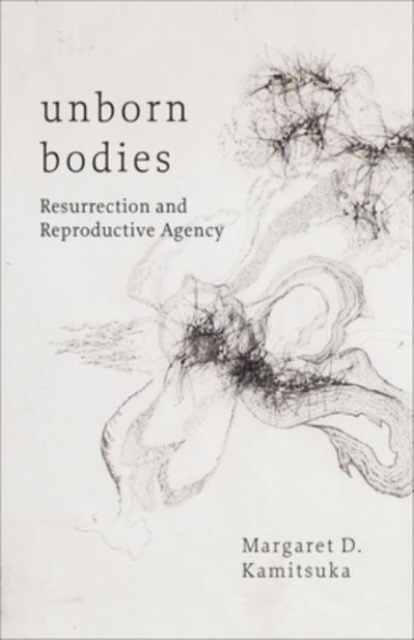
Unborn Bodies: Resurrection and Reproductive Agency
The afterlife continues to influence Christian faith and is a concern during fragile moments of reproductive loss. However, a doctrine of resurrection that speaks to death in the womb has yet to be considered.
Ignoring fetal death began early in Christian history. The church has struggled for settled meaning regarding issues of personhood in the womb and whether unbaptized infants are saved. Believers today deserve to know the basis for a Christian hope of heaven. They deserve a nontoxic eschatology that sustains an embodied sense of self, which is fractured by the experience of reproductive loss. They deserve to know whether assenting to the resurrection of the body--including unborn bodies--requires them to sacrifice their reproductive self-determination.
The dominant Christian narrative of postmortem survival hinges on the concept of an immaterial soul that continues after death. However, the soul's apparently contented communing with God during its interim existence makes a final bodily resurrection superfluous. A soul-based approach to postmortem survival may save souls, but it does not resurrect bodies. If one can secure the plausibility of the resurrection of unborn bodies whose personhood is in doubt, then one dispenses with ensouled personhood as a requirement of resurrection.
Christian materialist thought provides a metaphysical alternative to soul-based resurrection. A materialist approach to resurrection echoes the apostle Paul's powerful seed metaphor in 1 Corinthians 15. Medieval Christianity embraced metaphors of sprouting grain and budding plants. Returning to these images carries promise for rethinking resurrection in ways not dependent on an immaterial soul. Modern minds are more inclined to think of persons not as souls in bodies but as bodies that emerge into being, evolutionarily and gestationally. Philosophical theories of emergence are capturing the attention of Christian thinkers. This book's budding-emergence approach to the resurrection aims to speak concretely to the reality of death, including the death of unborn beings.
PRP: 135.93 Lei

Acesta este Prețul Recomandat de Producător. Prețul de vânzare al produsului este afișat mai jos.
108.74Lei
108.74Lei
135.93 LeiPrimești 108 puncte

Indisponibil
Descrierea produsului
The afterlife continues to influence Christian faith and is a concern during fragile moments of reproductive loss. However, a doctrine of resurrection that speaks to death in the womb has yet to be considered.
Ignoring fetal death began early in Christian history. The church has struggled for settled meaning regarding issues of personhood in the womb and whether unbaptized infants are saved. Believers today deserve to know the basis for a Christian hope of heaven. They deserve a nontoxic eschatology that sustains an embodied sense of self, which is fractured by the experience of reproductive loss. They deserve to know whether assenting to the resurrection of the body--including unborn bodies--requires them to sacrifice their reproductive self-determination.
The dominant Christian narrative of postmortem survival hinges on the concept of an immaterial soul that continues after death. However, the soul's apparently contented communing with God during its interim existence makes a final bodily resurrection superfluous. A soul-based approach to postmortem survival may save souls, but it does not resurrect bodies. If one can secure the plausibility of the resurrection of unborn bodies whose personhood is in doubt, then one dispenses with ensouled personhood as a requirement of resurrection.
Christian materialist thought provides a metaphysical alternative to soul-based resurrection. A materialist approach to resurrection echoes the apostle Paul's powerful seed metaphor in 1 Corinthians 15. Medieval Christianity embraced metaphors of sprouting grain and budding plants. Returning to these images carries promise for rethinking resurrection in ways not dependent on an immaterial soul. Modern minds are more inclined to think of persons not as souls in bodies but as bodies that emerge into being, evolutionarily and gestationally. Philosophical theories of emergence are capturing the attention of Christian thinkers. This book's budding-emergence approach to the resurrection aims to speak concretely to the reality of death, including the death of unborn beings.
Detaliile produsului