



Countdown header img desk

MAI SUNT 00:00:00:00

MAI SUNT

X

Countdown header img  mob

MAI SUNT 00:00:00:00

MAI SUNT

X

Promotii popup img

💻CÂȘTIGĂ un Laptop MacBook Air!

🍀Fii chiar tu cititorul norocos»

Utagawa Hiroshige: Seeing Landscapes through His Eyes
De (autor): Mika Abe

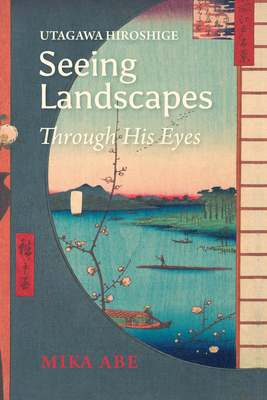
Coperta cărții 'Utagawa Hiroshige: Seeing Landscapes through His Eyes - Mika Abe'
Utagawa Hiroshige: Seeing Landscapes through His Eyes

De (autor): Mika Abe

In the late Edo period, when society was maturing and Japan was moving to open its doors to the outside world, landscapes were undergoing major changes. Many world-famous ukiyo-e painters were active during this period, among them Utagawa Hiroshige. Hiroshige left us not only his ukiyo-e paintings but also his words. This book explores Hiroshige's views of the landscape through his ukiyo-e work Ehon Edo Miyage (Edo Souvenirs), published from 1850 to 1867, while placing considerable emphasis on the analysis of Hiroshige's text, which is often neglected by art historians. Why did Hiroshige depict ordinary scenes featuring common people, not only famous tourist places, in his ukiyo-e? What was it that Hiroshige wanted to convey through his picture book? His work explores not only the bright life of Edo, but also the reality of the surrounding scenery, which was rapidly transforming in the midst of social change. This book allows us to see the landscape of the time through Hiroshige's eyes and to experience his connection to scenery.

In the late Edo period, when society was maturing and Japan was moving to open its doors to the outside world, landscapes were undergoing major changes. Many world-famous ukiyo-e painters were active during this period, among them Utagawa Hiroshige. Hiroshige left us not only his ukiyo-e paintings but also his words. This book explores Hiroshige's views of the landscape through his ukiyo-e work Ehon Edo Miyage (Edo Souvenirs), published from 1850 to 1867, while placing considerable emphasis on the analysis of Hiroshige's text, which is often neglected by art historians.


Why did Hiroshige depict ordinary scenes featuring common people, not only famous tourist places, in his ukiyo-e?


What was it that Hiroshige wanted to convey through his picture book?


His work explores not only the bright life of Edo, but also the reality of the surrounding scenery, which was rapidly transforming in the midst of social change. This book allows us to see the landscape of the time through Hiroshige's eyes and to experience his connection to scenery.

Citește mai mult

-10%

transport gratuit

PRP: 852.11 Lei

!

Acesta este Prețul Recomandat de Producător. Prețul de vânzare al produsului este afișat mai jos.

766.90Lei

766.90Lei

852.11 Lei

Primești 766 puncte

Important icon msg

Primești puncte de fidelitate după fiecare comandă! 100 puncte de fidelitate reprezintă 1 leu. Folosește-le la viitoarele achiziții!

Livrare in 2-4 saptamani

Descrierea produsului

In the late Edo period, when society was maturing and Japan was moving to open its doors to the outside world, landscapes were undergoing major changes. Many world-famous ukiyo-e painters were active during this period, among them Utagawa Hiroshige. Hiroshige left us not only his ukiyo-e paintings but also his words. This book explores Hiroshige's views of the landscape through his ukiyo-e work Ehon Edo Miyage (Edo Souvenirs), published from 1850 to 1867, while placing considerable emphasis on the analysis of Hiroshige's text, which is often neglected by art historians. Why did Hiroshige depict ordinary scenes featuring common people, not only famous tourist places, in his ukiyo-e? What was it that Hiroshige wanted to convey through his picture book? His work explores not only the bright life of Edo, but also the reality of the surrounding scenery, which was rapidly transforming in the midst of social change. This book allows us to see the landscape of the time through Hiroshige's eyes and to experience his connection to scenery.

In the late Edo period, when society was maturing and Japan was moving to open its doors to the outside world, landscapes were undergoing major changes. Many world-famous ukiyo-e painters were active during this period, among them Utagawa Hiroshige. Hiroshige left us not only his ukiyo-e paintings but also his words. This book explores Hiroshige's views of the landscape through his ukiyo-e work Ehon Edo Miyage (Edo Souvenirs), published from 1850 to 1867, while placing considerable emphasis on the analysis of Hiroshige's text, which is often neglected by art historians.


Why did Hiroshige depict ordinary scenes featuring common people, not only famous tourist places, in his ukiyo-e?


What was it that Hiroshige wanted to convey through his picture book?


His work explores not only the bright life of Edo, but also the reality of the surrounding scenery, which was rapidly transforming in the midst of social change. This book allows us to see the landscape of the time through Hiroshige's eyes and to experience his connection to scenery.

Citește mai mult

S-ar putea să-ți placă și

De același autor

Părerea ta e inspirație pentru comunitatea Libris!

Istoricul tău de navigare

Acum se comandă

Noi suntem despre cărți, și la fel este și

Newsletter-ul nostru.

Abonează-te la veștile literare și primești un cupon de -10% pentru viitoarea ta comandă!

*Reducerea aplicată prin cupon nu se cumulează, ci se aplică reducerea cea mai mare.

Mă abonez image one
Mă abonez image one
Accessibility Logo



