








Valuing Clean Air: The EPA and the Economics of Environmental Protection
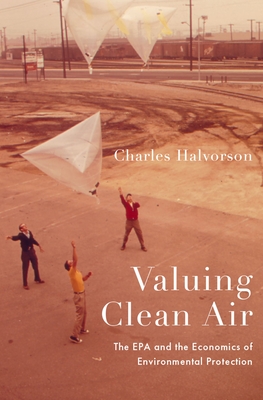
Valuing Clean Air: The EPA and the Economics of Environmental Protection
The passage of the Clean Air Act and the creation of the Environmental Protection Agency (EPA) in 1970 marked a sweeping transformation in American politics. In a few short years, the environmental movement pushed Republican and Democratic elected officials to articulate a right to clean air as part of a bevy of new federal guarantees. Charged with delivering on those promises, the EPA represented a bold assertion that the federal government had a responsibility to protect the environment, the authority to command private business to reduce their pollution, and the capacity to dictate how they did so. In Valuing Clean Air, Charles Halvorson examines how the environmental concern that propelled the Clean Air Act and the EPA coincided with economic convulsions that shook the liberal state to its core. Business groups, public interest organizations, think tanks, and a host of other actors, including Ralph Nader, wasted little time after the EPA's creation in identifying and trying to pull the new levers of power. As powerful businesses pressed to roll back regulations, elected officials from both political parties questioned whether the nation could keep its environmental promises. In response, the EPA's staff and leadership practiced a politics of the possible, adopting a monetized approach to environmental value that shielded the agency's rulemaking but sat at odds with environmentalist notions of natural rights and contributed to the elevation of economics as the language and logic of policy. As Halvorson demonstrates, environmental protection came to serve as a central battleground
in larger debates over markets, government, and public welfare. For anyone who has wondered where cap and trade came from and how environmental activists came to discuss wetlands protection, air pollution, and fracking in the language of cost-benefit analysis, Valuing Clean Air provides an insightful look at a half-century of the making of US environmental policy.
PRP: 392.57 Lei

Acesta este Prețul Recomandat de Producător. Prețul de vânzare al produsului este afișat mai jos.
353.31Lei
353.31Lei
392.57 LeiPrimești 353 puncte

Indisponibil
Descrierea produsului
The passage of the Clean Air Act and the creation of the Environmental Protection Agency (EPA) in 1970 marked a sweeping transformation in American politics. In a few short years, the environmental movement pushed Republican and Democratic elected officials to articulate a right to clean air as part of a bevy of new federal guarantees. Charged with delivering on those promises, the EPA represented a bold assertion that the federal government had a responsibility to protect the environment, the authority to command private business to reduce their pollution, and the capacity to dictate how they did so. In Valuing Clean Air, Charles Halvorson examines how the environmental concern that propelled the Clean Air Act and the EPA coincided with economic convulsions that shook the liberal state to its core. Business groups, public interest organizations, think tanks, and a host of other actors, including Ralph Nader, wasted little time after the EPA's creation in identifying and trying to pull the new levers of power. As powerful businesses pressed to roll back regulations, elected officials from both political parties questioned whether the nation could keep its environmental promises. In response, the EPA's staff and leadership practiced a politics of the possible, adopting a monetized approach to environmental value that shielded the agency's rulemaking but sat at odds with environmentalist notions of natural rights and contributed to the elevation of economics as the language and logic of policy. As Halvorson demonstrates, environmental protection came to serve as a central battleground
in larger debates over markets, government, and public welfare. For anyone who has wondered where cap and trade came from and how environmental activists came to discuss wetlands protection, air pollution, and fracking in the language of cost-benefit analysis, Valuing Clean Air provides an insightful look at a half-century of the making of US environmental policy.
Detaliile produsului