








Voices Underfoot
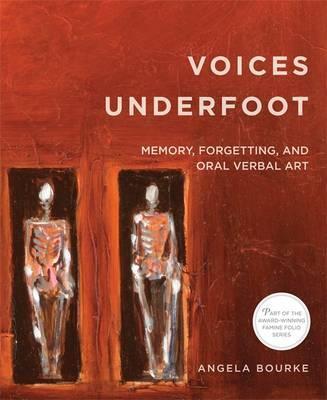
Voices Underfoot
While many Irish-Americans identify the Great Famine of the mid-nineteenth century as the pivotal event in their ethnic history, most people in Ireland knew little about it as its 150th-anniversary approached. The Great Famine continued from 1845 at least until 1852, with lesser, locally devastating, famines occurring at intervals: most notable was the so-called "Little Famine" of the late 1870s, which led to the formation of the Land League, and then to the Land War of the 1880s.
Famine commemorations began in 1995 and ended in 1997, however, suggesting that the effects of mass hunger, destitution, and widespread premature death could now safely be consigned to scholarship, sculpture and oblivion.
Intense social change in Ireland since the 1990s has coincided with new work by scholars and artists to raise awareness of the unacknowledged trauma suffered by those who survived famine, and by their descendants. Famine has left many traces in a landscape now best known through tourism. Less well known or understood, however, are its many reverberations in the minds and imaginations of individuals, families and communities.
Ireland's Great Hunger Museum at Quinnipiac University publishes Famine Folios, a unique resource for students, scholars and researchers, as well as general readers, covering many aspects of the Famine in Ireland from 1845-1852 - the worst demographic catastrophe of nineteenth-century Europe. The essays are interdisciplinary in nature, and make available new research in Famine studies by internationally established scholars in history, art history, cultural theory, philosophy, media history, political economy, literature and music.
PRP: 93.00 Lei

Acesta este Prețul Recomandat de Producător. Prețul de vânzare al produsului este afișat mai jos.
83.70Lei
83.70Lei
93.00 LeiPrimești 83 puncte

Indisponibil
Descrierea produsului
While many Irish-Americans identify the Great Famine of the mid-nineteenth century as the pivotal event in their ethnic history, most people in Ireland knew little about it as its 150th-anniversary approached. The Great Famine continued from 1845 at least until 1852, with lesser, locally devastating, famines occurring at intervals: most notable was the so-called "Little Famine" of the late 1870s, which led to the formation of the Land League, and then to the Land War of the 1880s.
Famine commemorations began in 1995 and ended in 1997, however, suggesting that the effects of mass hunger, destitution, and widespread premature death could now safely be consigned to scholarship, sculpture and oblivion.
Intense social change in Ireland since the 1990s has coincided with new work by scholars and artists to raise awareness of the unacknowledged trauma suffered by those who survived famine, and by their descendants. Famine has left many traces in a landscape now best known through tourism. Less well known or understood, however, are its many reverberations in the minds and imaginations of individuals, families and communities.
Ireland's Great Hunger Museum at Quinnipiac University publishes Famine Folios, a unique resource for students, scholars and researchers, as well as general readers, covering many aspects of the Famine in Ireland from 1845-1852 - the worst demographic catastrophe of nineteenth-century Europe. The essays are interdisciplinary in nature, and make available new research in Famine studies by internationally established scholars in history, art history, cultural theory, philosophy, media history, political economy, literature and music.
Detaliile produsului




