








Where the Wild Things Were: Boyhood and Permissive Parenting in Postwar America
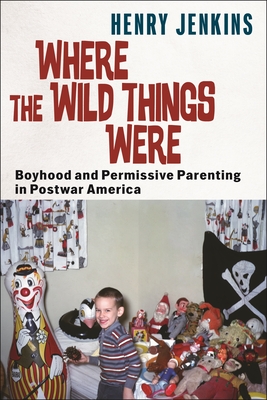
Where the Wild Things Were: Boyhood and Permissive Parenting in Postwar America
Explores iconic works from The Cat in the Hat to The Twilight Zone to explain cultural trends in parenting and how we conceptualize childhood
The 60s produced a Baby Boom generation that catalyzed the dawn of a new era--the space age, the age of television, the global age, and the beginnings of civil rights. At the same time, a new paradigm for parenting was unfolding that put emphasis on permissiveness, defined by what it permitted - the free and unfettered impulses of children. Others worried that the wildness of children, personified by the characters in Maurice Sendak's 1963 classic children's book, Where the Wild Things Are, was destructive, disruptive and disrespectful. Where the Wild Things Were centers on the exploding, contentious national conversation about the nature of childhood and parenting in the postwar US emblematized by Dr. Spock's Baby and Child Care. Renowned scholar Henry Jenkins demonstrates that the language that shaped a growing field of advice literature for parents also informed the period's fictions--in film, television, comics, children's books, and elsewhere--produced for and consumed by children. In particular, Jenkins demonstrates, the era's emblematic child was the boy in the striped shirt: white, male, suburban, middle class, Christian, and above all, American. Weaving together intellectual histories and popular texts, Jenkins shows how boy protagonists became embodiments of permissive child rearing, as well as the social ideals and contradictions that permissiveness entailed. From Peanuts comic strips and TV specials to The Cat in the Hat, Dennis the Menace, and Jonny Quest, the book reveals how childhood and the stories about it became central to Cold War concerns with democracy, citizenship, globalization, the space race, science, race relations, gender, and sexuality. Written by a former boy in a striped shirt, Where the Wild Things Were explores iconic works, from Mary Poppins to Lost in Space, contextualizing them through a critical but respectful engagement with the core animating ideas of the permissive imagination.PRP: 343.58 Lei

Acesta este Prețul Recomandat de Producător. Prețul de vânzare al produsului este afișat mai jos.
274.86Lei
274.86Lei
343.58 LeiPrimești 274 puncte

Livrare in 2-4 saptamani
Descrierea produsului
Explores iconic works from The Cat in the Hat to The Twilight Zone to explain cultural trends in parenting and how we conceptualize childhood
The 60s produced a Baby Boom generation that catalyzed the dawn of a new era--the space age, the age of television, the global age, and the beginnings of civil rights. At the same time, a new paradigm for parenting was unfolding that put emphasis on permissiveness, defined by what it permitted - the free and unfettered impulses of children. Others worried that the wildness of children, personified by the characters in Maurice Sendak's 1963 classic children's book, Where the Wild Things Are, was destructive, disruptive and disrespectful. Where the Wild Things Were centers on the exploding, contentious national conversation about the nature of childhood and parenting in the postwar US emblematized by Dr. Spock's Baby and Child Care. Renowned scholar Henry Jenkins demonstrates that the language that shaped a growing field of advice literature for parents also informed the period's fictions--in film, television, comics, children's books, and elsewhere--produced for and consumed by children. In particular, Jenkins demonstrates, the era's emblematic child was the boy in the striped shirt: white, male, suburban, middle class, Christian, and above all, American. Weaving together intellectual histories and popular texts, Jenkins shows how boy protagonists became embodiments of permissive child rearing, as well as the social ideals and contradictions that permissiveness entailed. From Peanuts comic strips and TV specials to The Cat in the Hat, Dennis the Menace, and Jonny Quest, the book reveals how childhood and the stories about it became central to Cold War concerns with democracy, citizenship, globalization, the space race, science, race relations, gender, and sexuality. Written by a former boy in a striped shirt, Where the Wild Things Were explores iconic works, from Mary Poppins to Lost in Space, contextualizing them through a critical but respectful engagement with the core animating ideas of the permissive imagination.Detaliile produsului




