






Women in the World of Frederick Douglass
Women in the World of Frederick Douglass
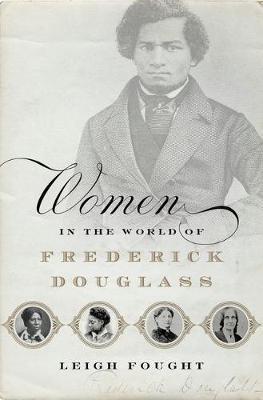
In his extensive writings, Frederick Douglass revealed little about his private life. His famous autobiographies present him overcoming unimaginable trials to gain his freedom and establish his identity-all in service to his public role as an abolitionist. But in both the public and domestic spheres, Douglass relied on a complicated array of relationships with women: white and black, slave-mistresses and family, political collaborators and intellectual companions, wives and daughters. And the great man needed them throughout a turbulent life that was never so linear and self-made as he often wished to portray it. In Women in the World of Frederick Douglass, Leigh Fought illuminates the life of the famed abolitionist off the public stage. She begins with the women he knew during his life as a slave: his mother, from whom he was separated; his grandmother, who raised him; his slave mistresses, including the one who taught him how to read; and his first wife, Anna Murray, a free woman who helped him escape to freedom and managed the household that allowed him to build his career. Fought examines Douglass's varied relationships with white women-including Maria Weston Chapman, Julia Griffiths, Elizabeth Cady Stanton, and Ottilie Assing--who were crucial to the success of his newspapers, were active in the antislavery and women's movements, and promoted his work nationally and internationally. She also considers Douglass's relationship with his daughter Rosetta, who symbolized her parents' middle class prominence but was caught navigating between their public and private worlds. Late in life,
Douglass remarried to a white woman, Helen Pitts, who preserved his papers, home, and legacy for history. By examining the circle of women around Frederick Douglass, this work brings these figures into sharper focus and reveals a fuller and more complex image of the self-proclaimed "woman's rights man."
PRP: 166.53 Lei

Acesta este Prețul Recomandat de Producător. Prețul de vânzare al produsului este afișat mai jos.
149.88Lei
149.88Lei
166.53 LeiPrimești 149 puncte

Indisponibil
Descrierea produsului
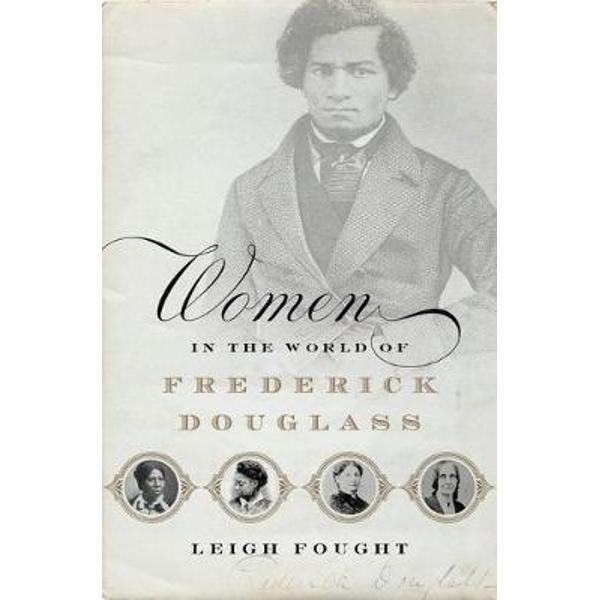
In his extensive writings, Frederick Douglass revealed little about his private life. His famous autobiographies present him overcoming unimaginable trials to gain his freedom and establish his identity-all in service to his public role as an abolitionist. But in both the public and domestic spheres, Douglass relied on a complicated array of relationships with women: white and black, slave-mistresses and family, political collaborators and intellectual companions, wives and daughters. And the great man needed them throughout a turbulent life that was never so linear and self-made as he often wished to portray it. In Women in the World of Frederick Douglass, Leigh Fought illuminates the life of the famed abolitionist off the public stage. She begins with the women he knew during his life as a slave: his mother, from whom he was separated; his grandmother, who raised him; his slave mistresses, including the one who taught him how to read; and his first wife, Anna Murray, a free woman who helped him escape to freedom and managed the household that allowed him to build his career. Fought examines Douglass's varied relationships with white women-including Maria Weston Chapman, Julia Griffiths, Elizabeth Cady Stanton, and Ottilie Assing--who were crucial to the success of his newspapers, were active in the antislavery and women's movements, and promoted his work nationally and internationally. She also considers Douglass's relationship with his daughter Rosetta, who symbolized her parents' middle class prominence but was caught navigating between their public and private worlds. Late in life,
Douglass remarried to a white woman, Helen Pitts, who preserved his papers, home, and legacy for history. By examining the circle of women around Frederick Douglass, this work brings these figures into sharper focus and reveals a fuller and more complex image of the self-proclaimed "woman's rights man."
Detaliile produsului




