







Woven Into the Earth: Textiles from Norse Greenland
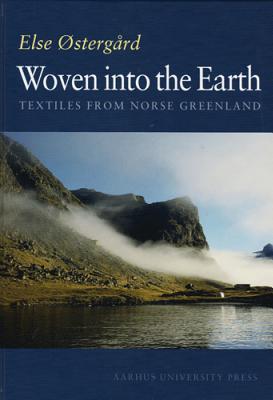
Woven Into the Earth: Textiles from Norse Greenland
One of the century's most spectacular archaeological finds occurred in 1921, a year before Howard Carter stumbled upon Tutankhamun's tomb, when Poul Norlund recovered dozens of garments from a graveyard in the Norse settlement of Herjolfsnaes, Greenland. Preserved intact for centuries by the permafrost, these mediaeval garments display remarkable similarities to western European costumes of the time. Previously, such costumes were known only from contemporary illustrations, and the Greenland finds provided the world with a close look at how ordinary Europeans dressed in the Middle Ages. Fortunately for Norlund's team, wood has always been extremely scarce in Greenland, and instead of caskets, many of the bodies were found swaddled in multiple layers of cast off clothing. When he wrote about the excavation later, Norlund also described how occasional thaws had permitted crowberry and dwarf willow to establish themselves in the top layers of soil. Their roots grew through coffins, clothing and corpses alike, binding them together in a vast network of thin fibers - as if, he wrote, the finds had been literally sewn in the earth. Eighty years of technical advances and subsequent excavations have greatly added to our understanding of the Herjolfsnaes discoveries. Woven into the Earth recounts the dramatic story of Norlund's excavation in the context of other Norse textile finds in Greenland. It then describes what the finds tell us about the materials and methods used in making the clothes. The weaving and sewing techniques detailed here are surprisingly sophisticated, and one can only admire the talent of the women who employed them, especially considering the harsh conditions they worked under. While Woven into the Earth will be invaluable to students of medieval archaeology, Norse society and textile history, both lay readers and scholars are sure to find the book's dig narratives and glimpses of life among the last Vikings fascinating.
PRP: 449.50 Lei

Acesta este Prețul Recomandat de Producător. Prețul de vânzare al produsului este afișat mai jos.
359.60Lei
359.60Lei
449.50 LeiPrimești 359 puncte

Indisponibil
Descrierea produsului
One of the century's most spectacular archaeological finds occurred in 1921, a year before Howard Carter stumbled upon Tutankhamun's tomb, when Poul Norlund recovered dozens of garments from a graveyard in the Norse settlement of Herjolfsnaes, Greenland. Preserved intact for centuries by the permafrost, these mediaeval garments display remarkable similarities to western European costumes of the time. Previously, such costumes were known only from contemporary illustrations, and the Greenland finds provided the world with a close look at how ordinary Europeans dressed in the Middle Ages. Fortunately for Norlund's team, wood has always been extremely scarce in Greenland, and instead of caskets, many of the bodies were found swaddled in multiple layers of cast off clothing. When he wrote about the excavation later, Norlund also described how occasional thaws had permitted crowberry and dwarf willow to establish themselves in the top layers of soil. Their roots grew through coffins, clothing and corpses alike, binding them together in a vast network of thin fibers - as if, he wrote, the finds had been literally sewn in the earth. Eighty years of technical advances and subsequent excavations have greatly added to our understanding of the Herjolfsnaes discoveries. Woven into the Earth recounts the dramatic story of Norlund's excavation in the context of other Norse textile finds in Greenland. It then describes what the finds tell us about the materials and methods used in making the clothes. The weaving and sewing techniques detailed here are surprisingly sophisticated, and one can only admire the talent of the women who employed them, especially considering the harsh conditions they worked under. While Woven into the Earth will be invaluable to students of medieval archaeology, Norse society and textile history, both lay readers and scholars are sure to find the book's dig narratives and glimpses of life among the last Vikings fascinating.
Detaliile produsului