- /
- Librarie online
- /
- Carti in engleza
- /
- Performing Arts
- /
- Film & Video
- /
- History & Criticism
- /
- Cinemagritte: René Magritte Within the Frame of Film History, Theory, and Practice - Lucy Fischer
Cinemagritte: René Magritte Within the Frame of Film History, Theory, and Practice
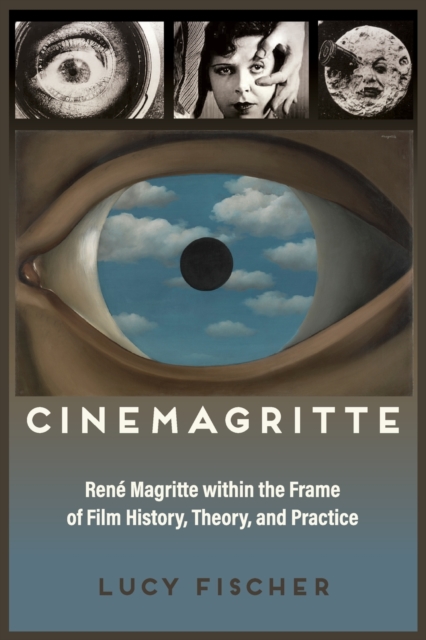
Examines the fascinating ties between Surrealist artist René Magritte and the cinema.
Cinemagritte: René Magritte within the Frame of Film History, Theory, and Practice investigates the dynamic relationship between the Surrealist modernist artist René Magritte (1898-1967) and the cinema--a topic largely ignored in the annals of film and art criticism. Magritte once said that he used cinema as "a trampoline for the imagination," but here author Lucy Fischer reverses that process by using Magritte's work as a stimulus for an imaginative examination of film.
While Fischer considers direct influences of film on Magritte and Magritte on film, she concentrates primarily on "resonances" of Magritte's work in international cinema--both fiction and documentary, mainstream and experimental. These resonances exist for several reasons. First, Magritte was a lover of cinema and created works as homages to the medium, such as Blue Cinema (1925), which immortalized his childhood movie theater. Second, Magritte's style, though dependent on bizarre juxtapositions, was characterized by surface realism--which ties it to the nature of the photographic and cinematic image. Third, Magritte shares with film a focus on certain significant concepts: the frame, voyeurism, illusionism, the relation between word and image, the face, montage, variable scale, and flexible point of view. Additionally, the volume explores art documentaries concerning Magritte as well as the artist's whimsical amateur "home movies," made with his wife, Georgette, friends, and Belgian Surrealist associates. The monograph is richly illustrated with images of Magritte's oeuvre as well as film stills from such diverse works as The Eternal Sunshine of the Spotless Mind, Eyes Without a Face, American Splendor, The Blood of a Poet, Zorns Lemma, The Island of Dr. Moreau, The Draughtsman's Contract, and many more.
Cinemagritte brings a novel and creative approach to the work of Magritte and both film and art criticism. Students, scholars, and fans of art history and film will enjoy this thoughtful marriage of the two.
PRP: 223.14 Lei

Acesta este Prețul Recomandat de Producător. Prețul de vânzare al produsului este afișat mai jos.
200.83Lei
200.83Lei
223.14 LeiPrimești 200 puncte

Livrare in 2-4 saptamani
Descrierea produsului
Examines the fascinating ties between Surrealist artist René Magritte and the cinema.
Cinemagritte: René Magritte within the Frame of Film History, Theory, and Practice investigates the dynamic relationship between the Surrealist modernist artist René Magritte (1898-1967) and the cinema--a topic largely ignored in the annals of film and art criticism. Magritte once said that he used cinema as "a trampoline for the imagination," but here author Lucy Fischer reverses that process by using Magritte's work as a stimulus for an imaginative examination of film.
While Fischer considers direct influences of film on Magritte and Magritte on film, she concentrates primarily on "resonances" of Magritte's work in international cinema--both fiction and documentary, mainstream and experimental. These resonances exist for several reasons. First, Magritte was a lover of cinema and created works as homages to the medium, such as Blue Cinema (1925), which immortalized his childhood movie theater. Second, Magritte's style, though dependent on bizarre juxtapositions, was characterized by surface realism--which ties it to the nature of the photographic and cinematic image. Third, Magritte shares with film a focus on certain significant concepts: the frame, voyeurism, illusionism, the relation between word and image, the face, montage, variable scale, and flexible point of view. Additionally, the volume explores art documentaries concerning Magritte as well as the artist's whimsical amateur "home movies," made with his wife, Georgette, friends, and Belgian Surrealist associates. The monograph is richly illustrated with images of Magritte's oeuvre as well as film stills from such diverse works as The Eternal Sunshine of the Spotless Mind, Eyes Without a Face, American Splendor, The Blood of a Poet, Zorns Lemma, The Island of Dr. Moreau, The Draughtsman's Contract, and many more.
Cinemagritte brings a novel and creative approach to the work of Magritte and both film and art criticism. Students, scholars, and fans of art history and film will enjoy this thoughtful marriage of the two.
Detaliile produsului