- /
- Librarie online
- /
- Carti in engleza
- /
- Performing Arts
- /
- Film & Video
- /
- History & Criticism
- /
- Climate Trauma: Foreseeing the Future in Dystopian Film and Fiction - E. Ann Kaplan
Climate Trauma: Foreseeing the Future in Dystopian Film and Fiction
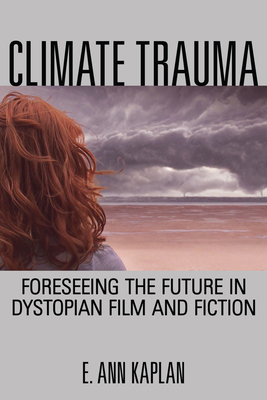
Climate Trauma: Foreseeing the Future in Dystopian Film and Fiction
Each month brings new scientific findings that demonstrate the ways in which human activities, from resource extraction to carbon emissions, are doing unprecedented, perhaps irreparable damage to our world. As we hear these climate change reports and their predictions for the future of Earth, many of us feel a sickening sense of déjà vu, as though we have already seen the sad outcome to this story. Drawing from recent scholarship that analyzes climate change as a form of "slow violence" that humans are inflicting on the environment, Climate Trauma theorizes that such violence is accompanied by its own psychological condition, what its author terms "Pretraumatic Stress Disorder." Examining a variety of films that imagine a dystopian future, renowned media scholar E. Ann Kaplan considers how the increasing ubiquity of these works has exacerbated our sense of impending dread. But she also explores ways these films might help us productively engage with our anxieties, giving us a seemingly prophetic glimpse of the terrifying future selves we might still work to avoid becoming. Examining dystopian classics like Soylent Green alongside more recent examples like The Book of Eli, Climate Trauma also stretches the limits of the genre to include features such as Blindness, The Happening, Take Shelter, and a number of documentaries on climate change. These eclectic texts allow Kaplan to outline the typical blind-spots of the genre, which rarely depicts climate catastrophe from the vantage point of women or minorities. Lucidly synthesizing cutting-edge research in media studies, psychoanalytic theory, and environmental science, Climate Trauma provides us with the tools we need to extract something useful from our nightmares of a catastrophic future.
PRP: 251.92 Lei

Acesta este Prețul Recomandat de Producător. Prețul de vânzare al produsului este afișat mai jos.
226.73Lei
226.73Lei
251.92 LeiPrimești 226 puncte

Livrare in 2-4 saptamani
Descrierea produsului
Each month brings new scientific findings that demonstrate the ways in which human activities, from resource extraction to carbon emissions, are doing unprecedented, perhaps irreparable damage to our world. As we hear these climate change reports and their predictions for the future of Earth, many of us feel a sickening sense of déjà vu, as though we have already seen the sad outcome to this story. Drawing from recent scholarship that analyzes climate change as a form of "slow violence" that humans are inflicting on the environment, Climate Trauma theorizes that such violence is accompanied by its own psychological condition, what its author terms "Pretraumatic Stress Disorder." Examining a variety of films that imagine a dystopian future, renowned media scholar E. Ann Kaplan considers how the increasing ubiquity of these works has exacerbated our sense of impending dread. But she also explores ways these films might help us productively engage with our anxieties, giving us a seemingly prophetic glimpse of the terrifying future selves we might still work to avoid becoming. Examining dystopian classics like Soylent Green alongside more recent examples like The Book of Eli, Climate Trauma also stretches the limits of the genre to include features such as Blindness, The Happening, Take Shelter, and a number of documentaries on climate change. These eclectic texts allow Kaplan to outline the typical blind-spots of the genre, which rarely depicts climate catastrophe from the vantage point of women or minorities. Lucidly synthesizing cutting-edge research in media studies, psychoanalytic theory, and environmental science, Climate Trauma provides us with the tools we need to extract something useful from our nightmares of a catastrophic future.
Detaliile produsului